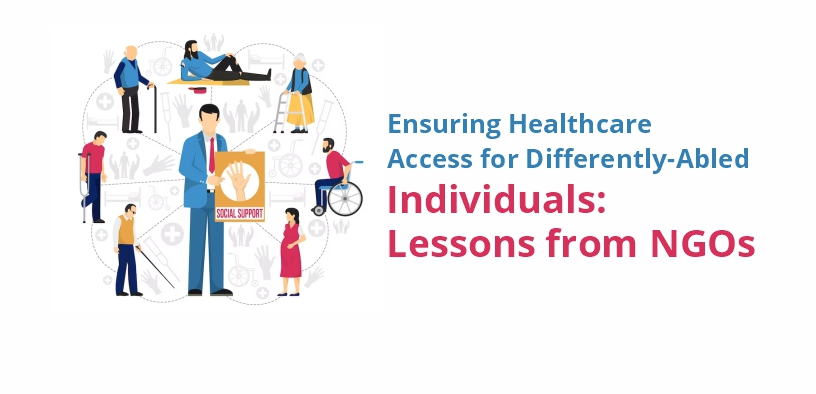


Ensuring healthcare access for differently-abled individuals is essential for an inclusive society. Many people with disabilities face barriers when seeking medical care.
Non-governmental organizations (NGOs) play a key role in reducing these barriers.
NGOs work to raise awareness about the challenges faced by differently-abled individuals.
They highlight issues such as poor infrastructure, lack of trained staff, and limited medical resources.
This helps policymakers and healthcare providers understand the need for action.
NGOs also advocate for inclusive healthcare policies. They support better accessibility in hospitals and clinics, including ramps, elevators, and suitable medical equipment.
In addition, they help train healthcare professionals to provide respectful and effective care.
Another important role of NGOs is community engagement. They empower differently-abled individuals to speak up about their healthcare needs.
Support groups, counselling services, and education programs help people navigate the healthcare system with confidence.
Top Five Healthcare Access Programs for Differently-Abled Individuals
NGOs across the world provide healthcare services that improve access and quality of life. Below are the top five ways NGOs support healthcare access for differently-abled individuals.
1. Mobile Medical Units
Mobile medical units bring healthcare services directly to people in need.
They are especially helpful for individuals with mobility challenges or those living in remote areas.
- On-site medical check-ups
- Treatment and basic diagnostics
- Vaccinations and follow-up referrals
These units remove transportation barriers and ensure timely medical care.
2. Assistive Technology Programs
Assistive technology programs provide essential devices that improve independence and daily living.
- Wheelchairs and mobility aids
- Hearing and communication devices
- Training and ongoing support
With the right tools, individuals can access healthcare services more easily and live with dignity.
3. Healthcare Provider Training
NGOs train healthcare professionals to better serve differently-abled patients.
- Disability awareness training
- Inclusive communication techniques
- Patient-centred care practices
This training improves understanding, compassion, and the overall quality of care.
4. Accessibility Modifications
Accessibility upgrades help make healthcare facilities safe and usable for everyone.
- Ramps and elevators
- Accessible restrooms
- Clear signage and navigation aids
These changes promote independence and equal access to healthcare services.
5. Health Awareness and Education
Health education programs empower individuals with knowledge about their well-being.
- Self-care and preventive health
- Disease management education
- Information about available healthcare services
Awareness programs encourage informed decision-making and active participation in healthcare.
Conclusion
Narayan Sewa Sansthan is a leading NGO dedicated to improving healthcare access for differently-abled individuals.
Through mobile medical units, assistive technology, professional training, accessibility improvements, and health education, the organization has made a meaningful impact.
NGOs continue to bridge healthcare gaps by advocating for policy change and empowering communities.
Their work highlights the importance of equal healthcare access for all, regardless of physical ability. These efforts guide society toward a more inclusive and compassionate healthcare system.